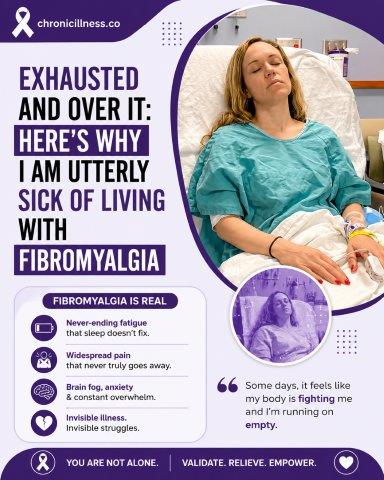
Living With Fibromyalgia Feels Like Fighting an Invisible Battle
There are days when I wake up already exhausted, even after what should have been a full night of sleep. My body feels heavy, my muscles ache before I even move, and my mind struggles to focus on the simplest things. Living with fibromyalgia often feels like waking up to a battle I never signed up for—one that never truly ends.
People see me standing, smiling, or getting through daily responsibilities and assume I am doing okay. What they don’t see is the pain hidden beneath the surface. They don’t see the overwhelming fatigue, the stiffness, the brain fog, or the emotional toll of constantly trying to function while feeling physically depleted.
I am exhausted. Not the kind of tired that disappears after rest or a quiet weekend. This exhaustion runs deeper. It settles into the bones, weighs on the mind, and steals energy before the day even begins. Living with fibromyalgia can feel like constantly surviving instead of truly living.
Fibromyalgia Is More Than “Just Pain”
One of the hardest parts about fibromyalgia is that many people misunderstand it. Some think it is simply muscle pain or occasional discomfort. Others dismiss it because it is invisible. But fibromyalgia is far more complicated than people realize.
It affects nearly every aspect of life. The pain can be widespread and unpredictable, moving from one area of the body to another without warning. Some days, it feels like burning sensations in the muscles. Other days, it feels like deep aches, stiffness, or sharp pain that seems impossible to explain.
The frustrating reality is that pain is only one part of the condition. Fibromyalgia impacts sleep, memory, concentration, emotional health, and energy levels. It changes routines, relationships, careers, and even identity.
Living with fibromyalgia means constantly adjusting expectations because the body does not always cooperate.
The Never-Ending Fatigue That Sleep Cannot Fix
Perhaps one of the most frustrating symptoms is the fatigue. It is difficult to explain to someone who has never experienced it.
This is not ordinary tiredness.
Fibromyalgia fatigue feels like the body is running on empty no matter how much sleep you get. You can sleep for eight, ten, or even twelve hours and still wake up feeling drained. Sometimes it feels like the body never enters true rest.
Simple tasks become overwhelming. Folding laundry feels exhausting. Grocery shopping becomes physically draining. Even holding conversations can take effort on difficult days.
There are moments when people say, “You just need more sleep,” but sleep alone does not fix fibromyalgia fatigue. Many people with the condition experience unrefreshing sleep, insomnia, or disrupted sleep cycles. The body may technically rest, but it never feels restored.
It becomes a vicious cycle: pain disrupts sleep, poor sleep increases fatigue, fatigue worsens pain, and the cycle continues.
Eventually, exhaustion becomes a permanent background feeling.
Widespread Pain That Never Truly Leaves
Pain with fibromyalgia is unpredictable.
One morning, the shoulders hurt. By afternoon, the pain settles into the hips or legs. Sometimes the entire body feels sore, as though it has endured intense physical strain without explanation.
The pain can range from dull aching to sharp discomfort that makes movement difficult. Even gentle touch can feel painful at times.
What many people fail to understand is that this pain rarely disappears completely. It fluctuates, changes intensity, and shifts locations, but it often remains present in some form.
There are good days when symptoms become manageable and bad days that feel unbearable.
The unpredictability creates anxiety because plans become uncertain. You never truly know how your body will feel tomorrow.
Can you attend the event?
Can you work efficiently?
Can you keep commitments?
Fibromyalgia often forces people to cancel plans, slow down, or say no to things they genuinely want to do.
That loss can feel heartbreaking.
The Emotional Weight of Feeling Misunderstood
Living with an invisible illness often comes with emotional struggles that people rarely talk about.
One of the hardest feelings is not being believed.
Because fibromyalgia symptoms are invisible, many people face skepticism. Some hear hurtful comments like:
“You don’t look sick.”
“Maybe it’s stress.”
“You just need to exercise more.”
“You’re probably overthinking it.”
These comments can feel deeply invalidating.
People living with fibromyalgia already spend enormous energy managing symptoms. Having pain dismissed only adds emotional exhaustion to physical suffering.
There is often guilt too.
Guilt for cancelling plans.
Guilt for needing rest.
Guilt for not being productive.
Guilt for not showing up the way others expect.
Over time, many people begin feeling isolated, misunderstood, or emotionally worn down by constantly having to explain their condition.
The emotional toll matters just as much as the physical symptoms.
Brain Fog: When Your Mind Feels Trapped
One symptom that surprises many people is cognitive dysfunction, often called “fibro fog” or brain fog.
Imagine trying to think clearly while mentally exhausted.
Words disappear mid-sentence.
Concentration becomes difficult.
Memory feels unreliable.
Simple decisions suddenly feel overwhelming.
Many people with fibromyalgia struggle to process information the way they once did. Tasks that used to feel easy may suddenly require extra effort.
It can feel embarrassing and frustrating.
You forget appointments.
Lose track of conversations.
Struggle to remember names.
Have difficulty focusing at work.
This symptom often leaves people feeling like they are losing part of themselves.
The mental fatigue can sometimes feel just as disabling as physical pain.
The Loneliness of Invisible Illness
Fibromyalgia can be incredibly isolating.
Many people slowly stop talking about their symptoms because they grow tired of explaining them. Others avoid social situations because they fear being misunderstood or judged.
Sometimes friendships change.
Relationships become strained.
Family members may not fully understand why energy levels fluctuate so dramatically.
There are moments when people living with chronic illness feel invisible—not because they want attention, but because they want acknowledgment.
They want someone to understand that they are trying.
Trying to function.
Trying to keep going.
Trying to survive difficult days.
The loneliness of chronic illness often comes from feeling unseen.
Pain that nobody notices still hurts.
Exhaustion that nobody understands still exists.
Struggles that remain invisible are still real.
Why Fibromyalgia Feels So Overwhelming
Fibromyalgia impacts every part of life simultaneously.
It affects physical health, emotional wellbeing, relationships, careers, finances, and independence.
Many people experience cycles of grief.
Grief for the life they once had.
Grief for lost energy.
Grief for missed experiences.
Grief for dreams interrupted by illness.
There is frustration in constantly needing to pace activities. Frustration in saying no. Frustration in watching life move forward while feeling physically stuck.
Sometimes the overwhelm builds quietly until it reaches a breaking point.
And on those days, the exhaustion feels impossible to ignore.
The Pressure to “Push Through”
Society often celebrates productivity and resilience. People are encouraged to push harder, keep going, and never slow down.
But fibromyalgia does not work that way.
Pushing too hard often leads to symptom flares.
Overexertion today can mean days of recovery tomorrow.
Many people living with fibromyalgia learn this lesson repeatedly. They push through responsibilities, social events, or work obligations, only to crash afterward.
Yet resting can also come with guilt.
There is pressure to prove illness is real.
Pressure to appear strong.
Pressure to meet expectations.
Pressure to keep up.
The truth is that living with chronic illness already requires immense strength.
Sometimes resting is not weakness.
Sometimes slowing down is survival.
Learning to Cope With the Unpredictability
Although fibromyalgia can feel overwhelming, many people slowly develop strategies that help them manage symptoms.
Pacing becomes important.
Instead of pushing through everything at once, people learn to spread activities throughout the day.
Rest becomes necessary rather than optional.
Gentle movement, stretching, and low-impact exercise may help some individuals manage stiffness and pain.
Stress management can also play a role because emotional strain often worsens symptoms.
Sleep routines, balanced nutrition, hydration, and symptom tracking may offer small improvements over time.
There is no universal solution because fibromyalgia affects everyone differently.
What works for one person may not work for another.
That unpredictability can be frustrating, but self-awareness becomes an important tool.
Learning limits is not giving up.
It is adapting.
Fibromyalgia Is Real—and So Are the Struggles
One thing that deserves repeating is this:
Fibromyalgia is real.
The pain is real.
The fatigue is real.
The brain fog is real.
The emotional exhaustion is real.
Invisible illness is still illness.
People living with fibromyalgia are not lazy, dramatic, or weak.
They are often doing their best while navigating symptoms others cannot see.
Many continue showing up for work, caring for families, maintaining relationships, and managing responsibilities despite feeling depleted.
That effort deserves recognition.
Validation matters.
Being believed matters.
Compassion matters.
Some Days Feel Impossible—But Hope Still Exists
There are days when fibromyalgia feels unbearable.
Days filled with frustration, anger, sadness, and exhaustion.
Days where the body feels like an enemy.
Days where even getting out of bed feels like an accomplishment.
And yet, many people continue moving forward.
Not perfectly.
Not easily.
But courageously.
Hope with chronic illness does not always look dramatic. Sometimes hope simply means trying again tomorrow.
It means allowing yourself grace during hard moments.
It means celebrating small victories.
It means recognizing that surviving difficult days still counts.
There may not always be easy answers, but support, understanding, and compassion can make the journey feel less lonely.
You Are Not Alone in This Fight
If you are living with fibromyalgia and feel utterly exhausted, frustrated, or emotionally drained, know this: your experience matters.
You are not imagining your symptoms.
You are not weak.
You are not failing.
Living with fibromyalgia is incredibly difficult, and acknowledging that truth does not make you negative—it makes you honest.
There will be hard days.
There will be setbacks.
There will be moments when exhaustion feels endless.
But there are also people who understand.
People who believe you.
People who recognize the invisible battles you fight every day.
You do not have to prove your pain to deserve support.
Fibromyalgia is real.
And so is your strength, even on the days when you feel completely empty.

For More Information Related to Fibromyalgia Visit below sites:
References:
Join Our Whatsapp Fibromyalgia Community
Click here to Join Our Whatsapp Community
Official Fibromyalgia Blogs
Click here to Get the latest Fibromyalgia Updates
Fibromyalgia Stores
Comments
Post a Comment