Random Bruises in Fibromyalgia: Understanding the Link Between Chronic Pain and Unexplained Skin Marks
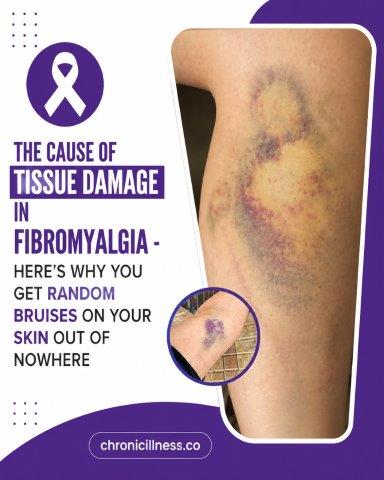
Living with fibromyalgia can feel like dealing with a mystery every single day. One moment you may feel relatively normal, and the next, a new symptom appears without warning. Among the many concerns people living with fibromyalgia report is the appearance of random bruises on the skin seemingly out of nowhere. These bruises can be alarming, painful, and difficult to explain—especially when there is no clear memory of bumping into anything.
Many individuals with fibromyalgia notice unusual bruising on areas such as the arms, thighs, legs, or torso. While bruising itself is not considered one of the classic defining symptoms of fibromyalgia, there are several reasons why people with the condition may experience increased bruising or heightened awareness of tissue tenderness.
Understanding the connection between fibromyalgia and unexplained bruises can help patients feel more informed, validated, and better prepared to discuss symptoms with healthcare professionals.
What Is Fibromyalgia?
Fibromyalgia is a chronic condition known for causing widespread musculoskeletal pain, fatigue, sleep disturbances, tenderness, cognitive issues, and increased sensitivity to physical stimuli.
People living with fibromyalgia often describe their bodies as feeling sore, bruised, stiff, or inflamed even without visible injury.
Common symptoms of fibromyalgia include:
- Chronic body pain
- Extreme fatigue
- Sleep difficulties
- Muscle stiffness
- Brain fog or concentration issues
- Increased sensitivity to pressure or touch
- Tender points throughout the body
- Headaches or migraines
- Anxiety and depression
One of the defining characteristics of fibromyalgia is pain amplification. The nervous system processes pain signals differently, causing sensations that might seem mild to others to feel intense for someone with fibromyalgia.
This increased sensitivity may play an important role in why bruises become especially noticeable.
Can Fibromyalgia Cause Bruising?
This question often comes up among people diagnosed with fibromyalgia.
Technically, fibromyalgia itself is not widely recognized as a direct cause of spontaneous bruising. However, many patients report experiencing bruises more frequently than expected.
There are several possible explanations for why this happens.
Rather than the condition directly damaging tissue, fibromyalgia may contribute to circumstances that make bruising more noticeable, more painful, or seemingly more frequent.
The connection is often complex and may involve multiple overlapping factors.
Increased Sensitivity Makes Bruises Feel Worse
People with fibromyalgia tend to have heightened pain sensitivity.
A minor bump that might barely register for another person could feel extremely painful to someone with fibromyalgia.
This means:
- Small injuries are noticed more easily
- Minor pressure may feel severe
- Tiny impacts may lead to tenderness
- Existing bruises may feel larger or more painful
Because pain perception is amplified, people may suddenly notice bruising that previously would have gone unnoticed.
In some cases, bruises may not actually be occurring more often—the body is simply more aware of them.
Muscle Tenderness and Tissue Sensitivity
Fibromyalgia is associated with widespread tenderness throughout muscles and soft tissues.
Many people report feeling as though their body is permanently bruised, even when no visible marks appear.
This sensation may make individuals examine their skin more closely and notice discoloration that otherwise might have gone unnoticed.
Areas commonly affected include:
Arms and Shoulders
Tenderness in upper body muscles can make even light pressure uncomfortable.
Legs and Thighs
These areas are frequently bumped during everyday activities and may bruise more easily if tissue sensitivity is present.
Hips and Back
Pressure points during sitting or sleeping may contribute to soreness or localized discomfort.
The combination of sensitivity and chronic pain often creates the feeling of “deep tissue bruising,” even without obvious injury.
Medications May Contribute to Bruising
Another important factor is medication.
Many people with fibromyalgia take medications to manage symptoms such as pain, anxiety, sleep disturbances, or inflammation.
Some medications can increase the likelihood of bruising.
Examples may include:
Anti-Inflammatory Drugs
Frequent use of pain relievers may sometimes affect blood clotting or make bruising appear more easily.
Antidepressants
Certain medications prescribed for nerve pain or mood regulation may influence bruising in some individuals.
Blood-Thinning Medications
If a person takes additional medications unrelated to fibromyalgia, bruising risk may increase.
Supplements
Some vitamins, herbal products, or fish oil supplements can affect blood clotting and skin sensitivity.
If bruising suddenly becomes more frequent or severe, reviewing medications with a healthcare provider can be important.
Poor Sleep and Tissue Recovery
Sleep disturbances are extremely common in fibromyalgia.
Many patients experience:
- Insomnia
- Frequent waking
- Restless sleep
- Non-restorative sleep
Sleep plays a major role in tissue repair and healing.
When sleep quality suffers, the body may not recover as efficiently from minor injuries. Small bumps or pressure points may result in bruising more easily or heal more slowly.
This can create the impression that bruises are appearing unexpectedly.
Nutritional Deficiencies and Bruising
Some individuals with fibromyalgia also experience nutritional imbalances that may affect bruising.
Deficiencies that may play a role include:
Vitamin C Deficiency
Vitamin C supports blood vessels and tissue repair. Low levels can sometimes increase bruising.
Iron Deficiency
Low iron levels may contribute to fatigue and occasionally affect bruising patterns.
Vitamin K Deficiency
Vitamin K helps with blood clotting, making it important for bruise healing.
Magnesium Issues
Magnesium is often discussed in relation to fibromyalgia symptoms and muscle health.
Poor nutrition due to chronic illness, digestive issues, appetite changes, or fatigue can sometimes make these deficiencies more likely.
Clumsiness and Coordination Problems
Many people with fibromyalgia report problems with coordination and spatial awareness.
Fatigue, dizziness, pain, and brain fog can increase the chance of accidentally bumping into furniture, walls, counters, or doorframes.
Because these moments may happen absentmindedly, people often do not remember the impact later.
Then, a bruise suddenly appears and seems completely random.
This phenomenon is surprisingly common.
Someone may unknowingly hit their leg against a table edge while distracted or exhausted and forget about it entirely until discoloration develops.
The Role of Inflammation and Circulation
While fibromyalgia is not classified as an inflammatory disease in the traditional sense, some researchers continue exploring how circulation and nervous system dysfunction may affect symptoms.
Poor circulation, muscle tightness, or prolonged pressure in sensitive areas could potentially contribute to bruised sensations or skin discoloration in some individuals.
However, research remains ongoing, and no single explanation fully accounts for every patient experience.
Fibromyalgia symptoms vary dramatically from person to person.
When Random Bruising Could Signal Something Else
Although occasional bruising may not always be serious, unexplained bruises should never automatically be dismissed.
Sometimes bruising may indicate another medical issue requiring evaluation.
You should consider seeking medical attention if bruising is:
Frequent and Severe
Bruises appearing constantly without explanation may deserve further investigation.
Very Large or Painful
Large bruises or unusual tenderness should be evaluated.
Accompanied by Bleeding
Frequent nosebleeds, bleeding gums, or excessive bleeding may indicate clotting concerns.
Associated With Fatigue or Illness
Extreme fatigue combined with bruising can occasionally point to nutritional deficiencies or other health conditions.
Appearing in Unusual Places
Bruises on unexpected body areas without clear cause may warrant discussion with a healthcare professional.
Conditions sometimes confused with fibromyalgia—or occurring alongside it—may also influence bruising.
Examples include:
- Autoimmune disorders
- Blood clotting issues
- Vitamin deficiencies
- Connective tissue disorders
- Thyroid dysfunction
Because fibromyalgia often overlaps with other conditions, it is important not to assume every symptom automatically belongs to fibromyalgia alone.
Emotional Effects of Unexplained Symptoms
One of the hardest parts of living with fibromyalgia is uncertainty.
Unexpected symptoms can create anxiety and frustration.
Many patients describe wondering:
- “Why am I bruising?”
- “Did I hurt myself?”
- “Is something more serious happening?”
- “Am I imagining this?”
Unfortunately, invisible illnesses often leave people feeling dismissed or misunderstood.
Some individuals report being told they are exaggerating symptoms or overreacting to pain.
Yet unexplained changes in the body are understandably concerning.
Taking symptoms seriously while seeking balanced medical guidance can help reduce unnecessary fear.
Managing Skin Sensitivity and Bruising
While there may not be a universal solution, some strategies may help reduce discomfort.
Prioritize Sleep
Better sleep supports healing and recovery.
Stay Hydrated
Healthy hydration supports circulation and tissue health.
Monitor Nutrition
Balanced nutrition and proper vitamin intake may help support the body.
Review Medications
Talk with a healthcare provider if bruising seems connected to medications or supplements.
Track Symptoms
Keeping notes about bruises, flare-ups, or patterns may help identify triggers.
Be Gentle With the Body
Soft fabrics, supportive mattresses, and minimizing repeated pressure may reduce tenderness.
Learning how your body responds during flare-ups can make symptom management easier over time.
Why Awareness Matters
Random bruising can feel confusing and isolating, especially when no obvious cause exists.
For people with fibromyalgia, symptoms rarely fit into neat categories.
Pain shifts.
Energy fluctuates.
New sensitivities emerge unexpectedly.
The uncertainty itself becomes part of daily life.
Increased awareness about fibromyalgia helps validate these experiences while encouraging informed conversations between patients and healthcare providers.
No one should feel dismissed for noticing changes in their body.
Even when symptoms seem unusual or difficult to explain, they deserve attention and understanding.
Final Thoughts
Random bruises in fibromyalgia may feel frightening or frustrating, especially when they appear without warning. While fibromyalgia itself is not universally recognized as a direct cause of spontaneous bruising, several related factors—including heightened pain sensitivity, medication effects, poor sleep, nutritional deficiencies, and accidental minor injuries—may contribute to the experience.
Because fibromyalgia affects people differently, there is no one-size-fits-all explanation.
What matters most is paying attention to patterns, listening to your body, and seeking medical guidance if bruising becomes unusual, severe, or persistent.
Living with fibromyalgia often means navigating symptoms that others cannot see or easily understand. Whether it is pain, fatigue, tenderness, or unexplained bruises, every experience deserves compassion—not dismissal.
Understanding the possibilities behind these symptoms can help replace confusion with knowledge and fear with informed awareness.

For More Information Related to Fibromyalgia Visit below sites:
References:
Join Our Whatsapp Fibromyalgia Community
Click here to Join Our Whatsapp Community
Official Fibromyalgia Blogs
Click here to Get the latest Fibromyalgia Updates
Fibromyalgia Stores
Comments
Post a Comment