Introduction
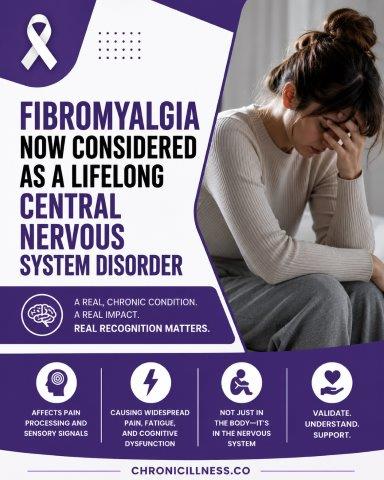
Fibromyalgia is a chronic health condition that affects millions of people worldwide, yet it remains one of the most misunderstood disorders in modern medicine. For years, many individuals living with fibromyalgia struggled to receive recognition, understanding, and proper treatment because the condition was often dismissed as psychological or unexplained pain. Today, growing scientific understanding has shifted perspectives, with fibromyalgia increasingly recognized as a lifelong disorder connected to the central nervous system.
The condition is not simply about muscle pain or occasional fatigue. Fibromyalgia is now widely understood to involve how the brain and nervous system process pain and sensory signals. This means the pain experienced by individuals is very real, often widespread, and can affect nearly every aspect of daily life. Alongside chronic pain, many people with fibromyalgia experience severe fatigue, sleep disturbances, memory problems, emotional stress, and cognitive dysfunction commonly referred to as “fibro fog.”
Recognition matters because fibromyalgia is not something people can simply ignore or overcome through willpower. It is a real chronic condition that requires awareness, validation, understanding, and proper management. By learning more about fibromyalgia as a central nervous system disorder, society can move closer toward supporting those affected and improving quality of life.
What Is Fibromyalgia?
Fibromyalgia is a chronic disorder characterized by widespread pain throughout the body, increased sensitivity to pressure, and a range of physical and mental symptoms. Unlike conditions that directly damage muscles, bones, or joints, fibromyalgia primarily affects the nervous system and the way pain signals are interpreted.
People living with fibromyalgia often describe the pain as persistent aching, burning, stabbing, or throbbing sensations. The discomfort can move from one part of the body to another and may vary in intensity from day to day. Some days may feel manageable, while others can become overwhelming.
Although fibromyalgia can affect anyone, it is more commonly diagnosed in women. However, men and children can also experience the condition. Symptoms often develop gradually and may begin after physical trauma, surgery, infections, emotional stress, or long-term mental strain. In some cases, symptoms appear without any obvious trigger.
Because fibromyalgia symptoms overlap with many other health conditions, diagnosis can sometimes take years. This delay often contributes to frustration and emotional exhaustion for patients who feel misunderstood or dismissed.
Why Fibromyalgia Is Considered a Central Nervous System Disorder
Fibromyalgia is increasingly recognized as a disorder of the central nervous system because it involves abnormalities in how the brain and spinal cord process pain signals.
The central nervous system consists of the brain and spinal cord, both responsible for interpreting sensory information from the body. In people with fibromyalgia, the nervous system appears to become overly sensitive, amplifying pain signals that would normally be mild or ignored.
This process is often referred to as central sensitization.
Central Sensitization Explained
Central sensitization means the nervous system becomes hypersensitive. Pain receptors essentially become overactive, causing the body to respond more intensely to physical sensations.
For example:
- A light touch may feel painful.
- Mild pressure can trigger severe discomfort.
- Everyday activities may cause exhaustion and soreness.
Even sensations like temperature changes, bright lights, sounds, or stress may feel more overwhelming for someone with fibromyalgia.
Researchers believe this heightened sensitivity occurs because the brain processes pain differently than in individuals without the condition. The body remains in a state of increased alertness, making pain signals stronger and longer-lasting.
This understanding has helped shift fibromyalgia away from misconceptions that it is “imagined” or purely emotional. The pain experienced is rooted in neurological processes, making it a genuine medical condition.
Common Symptoms of Fibromyalgia
Fibromyalgia symptoms extend far beyond physical pain. The condition affects multiple systems in the body and can create challenges that interfere with work, relationships, and everyday routines.
Widespread Pain
Persistent pain across the body is the hallmark symptom of fibromyalgia. Pain often affects:
- Neck
- Shoulders
- Back
- Arms
- Legs
- Hips
- Chest
The pain may feel dull, sharp, burning, or deep and aching.
Extreme Fatigue
Fatigue associated with fibromyalgia goes beyond ordinary tiredness. Even after sleeping, many people wake feeling exhausted.
Simple tasks such as grocery shopping, cooking, or cleaning can become physically draining.
Cognitive Dysfunction
Many people experience memory issues and concentration difficulties known as fibro fog.
Symptoms include:
- Forgetfulness
- Trouble focusing
- Difficulty processing information
- Mental confusion
- Problems finding words
This cognitive dysfunction can significantly affect productivity and confidence.
Sleep Problems
Sleep disturbances are extremely common. Many individuals struggle with:
- Insomnia
- Frequent waking
- Restless sleep
- Non-restorative sleep
Poor sleep often worsens pain and fatigue, creating a frustrating cycle.
Increased Sensitivity
Fibromyalgia may increase sensitivity to:
- Sound
- Light
- Temperature
- Touch
- Smells
Sensory overload can contribute to physical discomfort and emotional distress.
Mood Changes
Living with chronic pain can impact emotional health. Anxiety and depression often occur alongside fibromyalgia, though they are not the cause of the disorder.
Emotional stress can worsen symptoms, making mental wellness an important part of treatment.
The Lifelong Nature of Fibromyalgia
One of the most important realities about fibromyalgia is that it is often considered a lifelong condition.
Currently, there is no known cure. Symptoms may improve, worsen, or fluctuate over time, but many individuals continue managing the disorder throughout their lives.
This does not mean a person cannot live well. Many people successfully reduce symptom severity and improve daily functioning through proper treatment strategies and lifestyle adjustments.
Understanding fibromyalgia as chronic helps shift expectations from “fixing” the condition to learning effective long-term management.
Symptom Flare-Ups
Fibromyalgia often comes in waves. Periods of worsening symptoms, known as flare-ups, may be triggered by:
- Stress
- Lack of sleep
- Illness
- Weather changes
- Hormonal fluctuations
- Physical overexertion
- Emotional distress
Recognizing personal triggers can help individuals prepare for and manage flare-ups more effectively.
Challenges in Diagnosis
Fibromyalgia remains difficult to diagnose because there is no single laboratory test or imaging scan that confirms it.
Doctors usually diagnose fibromyalgia based on:
Medical History
Healthcare providers assess symptom duration, pain patterns, fatigue levels, and lifestyle impacts.
Physical Examination
Doctors may evaluate pain locations and overall physical health.
Ruling Out Other Conditions
Since symptoms overlap with many disorders, healthcare providers often exclude conditions such as:
- Rheumatoid arthritis
- Lupus
- Thyroid disorders
- Multiple sclerosis
- Chronic fatigue syndrome
The absence of visible injury or inflammation sometimes causes skepticism, which can leave patients feeling invalidated. However, invisible symptoms do not make the condition less real.
How Fibromyalgia Affects Daily Life
Fibromyalgia impacts far more than physical comfort. It can alter nearly every part of life.
Work and Career Challenges
Holding a job may become difficult due to pain, fatigue, and concentration problems.
Some people struggle with:
- Long working hours
- Standing for extended periods
- Mental focus
- Physical labor
Flexible schedules and supportive workplaces can make a major difference.
Relationships and Social Life
Because fibromyalgia symptoms are invisible, loved ones may not fully understand the severity of the condition.
This misunderstanding can sometimes lead to:
- Isolation
- Frustration
- Guilt
- Emotional strain
Open communication helps families and friends provide better support.
Emotional Health
Living with ongoing pain can be mentally exhausting.
Many individuals experience:
- Anxiety
- Depression
- Fear about the future
- Frustration over limitations
Seeking emotional support through counseling or support groups may help improve mental resilience.
Treatment and Symptom Management
Although there is no cure for fibromyalgia, treatment focuses on symptom management and improving quality of life.
Medication
Doctors may prescribe medications to help reduce:
- Pain
- Sleep disturbances
- Depression
- Anxiety
Treatment plans vary widely because symptoms differ from person to person.
Exercise
Gentle physical activity can improve symptoms over time.
Recommended exercises often include:
- Walking
- Swimming
- Stretching
- Yoga
- Low-impact aerobics
Although movement may initially feel difficult, gradual activity often reduces stiffness and fatigue.
Sleep Improvement
Better sleep can significantly improve symptom control.
Helpful habits include:
- Maintaining a consistent sleep schedule
- Limiting screen time before bed
- Creating a calm sleep environment
- Avoiding stimulants late in the day
Stress Management
Stress is one of the most common triggers for symptom flare-ups.
Helpful stress-reduction techniques include:
- Meditation
- Deep breathing
- Mindfulness
- Relaxation exercises
- Therapy
Reducing emotional strain may lessen symptom intensity.
Nutrition and Lifestyle Changes
Some people find symptom relief through healthy lifestyle adjustments.
Strategies may include:
- Eating balanced meals
- Staying hydrated
- Reducing processed foods
- Limiting sugar and caffeine
- Avoiding overexertion
While no single diet cures fibromyalgia, healthier habits can support overall wellness.
The Importance of Validation and Recognition
For decades, many individuals with fibromyalgia faced disbelief from doctors, employers, friends, and even family members.
Phrases like “It’s all in your head” or “You look fine” created emotional harm and increased feelings of isolation.
Recognizing fibromyalgia as a legitimate nervous system disorder matters because validation helps people access treatment, support, and understanding.
When society acknowledges chronic illnesses that are invisible, individuals are less likely to suffer in silence.
Validation means:
- Listening without judgment
- Believing patient experiences
- Offering support
- Encouraging medical care
- Understanding limitations
Compassion can significantly improve emotional well-being for people living with chronic illness.
Living Well With Fibromyalgia
Receiving a fibromyalgia diagnosis can feel overwhelming, especially when facing a lifelong condition. However, many people learn to manage symptoms and create fulfilling lives.
Success often comes from:
Learning Personal Triggers
Understanding what worsens symptoms can help reduce flare-ups.
Pacing Activities
Balancing rest and activity helps avoid exhaustion.
Building a Support Network
Supportive friends, family, healthcare providers, and patient communities can make a meaningful difference.
Prioritizing Mental Health
Emotional wellness is closely connected to physical symptoms.
Celebrating Small Wins
Progress with fibromyalgia may happen gradually. Small improvements in energy, sleep, or pain management matter.
Living with fibromyalgia requires patience, flexibility, and self-care, but meaningful quality of life is still possible.
Conclusion
Fibromyalgia is no longer viewed simply as unexplained pain. It is increasingly recognized as a lifelong central nervous system disorder that affects how the brain processes pain and sensory signals. The condition can cause widespread pain, fatigue, cognitive dysfunction, sleep disturbances, and emotional strain, often disrupting many aspects of daily life.
Despite ongoing challenges in diagnosis and treatment, recognition of fibromyalgia as a real chronic illness marks meaningful progress. Understanding that symptoms originate in the nervous system helps validate patient experiences and reduce harmful misconceptions.
There may not yet be a cure, but improved awareness, compassionate support, and personalized treatment strategies can help people with fibromyalgia manage symptoms and live meaningful lives. Recognition matters because chronic pain deserves understanding, and those living with fibromyalgia deserve to be heard, supported, and respected.

For More Information Related to Fibromyalgia Visit below sites:
References:
Join Our Whatsapp Fibromyalgia Community
Click here to Join Our Whatsapp Community
Official Fibromyalgia Blogs
Click here to Get the latest Fibromyalgia Updates
Fibromyalgia Stores
Comments
Post a Comment