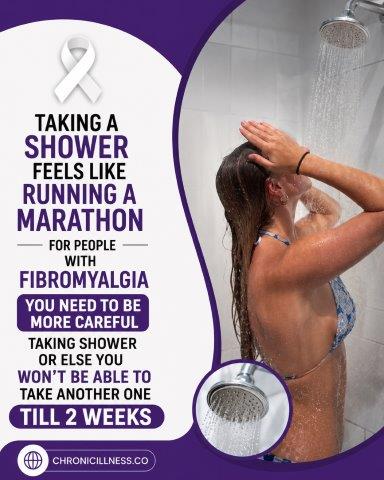
For many people, taking a shower is one of the simplest parts of the day. It is a routine activity that feels automatic—step in, wash up, dry off, and move on. But for people living with fibromyalgia, something as ordinary as showering can feel physically exhausting, emotionally draining, and sometimes even painful.
Many individuals with fibromyalgia describe showering as feeling like they just completed an intense workout or even ran a marathon. What seems like a basic self-care task to others can leave someone completely wiped out, needing to rest for hours afterward. In severe cases, people may even delay showers because the recovery period feels too overwhelming.
If this sounds familiar, you are not lazy, dramatic, or exaggerating. Fibromyalgia affects the body in complex ways that can turn simple activities into physically demanding tasks.
Understanding why showering feels so exhausting with fibromyalgia may help reduce guilt, increase self-compassion, and make daily hygiene easier to manage.
Why Is Showering So Difficult With Fibromyalgia?
At first glance, showering does not seem physically demanding.
But when you break it down, a shower involves much more energy than most people realize.
Showering requires:
- Standing for extended periods
- Raising your arms repeatedly
- Temperature exposure
- Sensory stimulation
- Muscle coordination
- Balance and movement
- Physical endurance
For someone living with fibromyalgia, these small demands add up quickly.
Fibromyalgia affects pain processing, energy levels, muscle sensitivity, nervous system function, and temperature regulation. As a result, even basic activities may feel far more intense than they should.
What feels manageable to someone without chronic illness may completely drain someone with fibromyalgia.
1. Standing for Long Periods Can Trigger Pain
One major reason showers feel exhausting is prolonged standing.
Fibromyalgia often causes:
Standing in one place—even for ten or fifteen minutes—can become painful.
Many people notice increased discomfort in:
- Legs
- Feet
- Lower back
- Hips
- Shoulders
- Neck
Unlike movement that shifts body position, standing still may intensify stiffness and muscle tension.
For some, showering triggers pain flare-ups that continue for hours afterward.
Why Standing Feels Harder With Fibromyalgia
Fibromyalgia affects how muscles respond to activity.
Muscles may fatigue faster, recover slower, and become painful more easily.
Even activities that seem low-effort can drain energy rapidly.
This is why many people describe showering as unexpectedly exhausting.
2. Heat and Temperature Sensitivity Can Overwhelm the Body
Many people with fibromyalgia struggle with temperature regulation.
Some become extremely sensitive to:
- Heat
- Cold
- Humidity
- Sudden temperature changes
Hot showers may initially feel soothing, helping muscles relax and easing stiffness.
However, for some individuals, too much heat becomes physically draining.
A very hot shower may lead to:
- Dizziness
- Weakness
- Increased fatigue
- Overheating
- Lightheadedness
The nervous system may become overwhelmed.
Others find cold temperatures painful or triggering.
Finding the “right” shower temperature can feel surprisingly difficult.
Why Temperature Sensitivity Happens
Fibromyalgia affects the central nervous system.
The body may process sensory experiences differently, making temperature changes feel more intense.
This heightened sensitivity can turn a normal shower into an exhausting experience.
3. Raising Your Arms Becomes More Difficult Than People Realize
Something many healthy individuals never think about is how physically demanding it is to repeatedly raise your arms.
During a shower, people often:
- Wash their hair
- Shampoo and condition
- Reach overhead
- Scrub different areas repeatedly
For someone with fibromyalgia, arm movement can quickly trigger pain and fatigue.
Shoulders, neck muscles, and upper back areas are common pain points.
Holding your arms above your head for several minutes may feel physically overwhelming.
Many people report feeling exhausted simply from washing their hair.
Hair Washing Can Feel Like a Workout
Long or thick hair can make showering even harder.
Shampooing, conditioning, brushing, and drying hair require additional strength and endurance.
On bad symptom days, some individuals skip hair washing entirely because the physical effort feels too demanding.
And that is okay.
Sometimes energy conservation matters more.
4. Showering Can Trigger Sensory Overload
Fibromyalgia often causes increased sensitivity to sensory input.
This may include sensitivity to:
- Water pressure
- Temperature
- Smells
- Light
- Noise
- Touch
For some people, the sensation of water hitting painful skin feels uncomfortable or even painful.
Certain shower products may feel overwhelming due to strong scents.
Bright bathroom lighting can worsen headaches or fatigue.
All of these sensory experiences happen at once.
The nervous system becomes overloaded.
This overload contributes to exhaustion.
5. Fibromyalgia Fatigue Makes Everything Harder
Fibromyalgia fatigue is not ordinary tiredness.
It can feel crushing.
Many people wake up already exhausted.
Adding a physically demanding task like showering can quickly use up limited energy reserves.
People often experience what is called energy budgeting.
Every task costs energy.
Showering may use a significant amount of the available energy for the day.
This sometimes means choosing between:
- Showering or cooking
- Showering or leaving the house
- Showering or cleaning
To healthy individuals, this may seem hard to understand.
But for people with chronic illness, these choices are very real.
6. Post-Shower Recovery Is Often Necessary
One of the least understood realities of fibromyalgia is needing recovery time after basic activities.
After showering, many people report:
- Needing to lie down
- Feeling shaky or weak
- Increased pain
- Extreme fatigue
- Dizziness
- Mental exhaustion
Some people need an hour—or even longer—to recover.
Others schedule showers strategically because they know they will not be able to do much afterward.
For example:
Some people shower at night because recovery can happen during sleep.
Others save showers for days with fewer responsibilities.
Why Recovery Takes So Long
The nervous system in fibromyalgia is often already overstimulated.
Even mild physical exertion can trigger delayed exhaustion or symptom flare-ups.
Recovery time becomes essential.
Why Some People Delay Showers
People with fibromyalgia are sometimes judged for struggling with hygiene routines.
But outsiders rarely understand the physical cost.
When showering feels physically overwhelming, people may delay it.
This is not laziness.
This is energy management.
Sometimes someone avoids showering because:
- Pain levels are too high
- Fatigue feels unbearable
- Standing feels impossible
- They know symptoms will worsen afterward
And unfortunately, guilt often follows.
Many people feel embarrassed discussing this struggle.
But it is more common than people realize.
Practical Tips to Make Showering Easier With Fibromyalgia
The good news is that small adjustments may help reduce the physical burden.
Use a Shower Chair
A shower chair can make a huge difference.
Sitting reduces strain on:
- Legs
- Back
- Hips
- Feet
This allows the body to conserve energy.
Shorten Shower Time
Long showers may increase fatigue.
Shorter showers can reduce energy depletion.
Try simplifying routines when symptoms are severe.
Lower Water Temperature
Warm—not overly hot—water may feel more manageable.
Avoid temperatures that worsen dizziness or fatigue.
Use Lightweight Shower Tools
Long-handled scrubbers or easy-grip tools may reduce strain on painful joints and shoulders.
Wash Hair Separately if Needed
Some people wash their hair less frequently or separately from body showers.
This reduces physical demand.
Dry shampoo may also help between wash days.
Shower During Your Best Energy Window
Notice when symptoms feel most manageable.
For some people, mornings are easier.
Others function better later in the day.
Sit and Rest Afterward
Build recovery time into your schedule.
Do not plan physically demanding tasks immediately after showering.
Rest is part of the process.
The Emotional Side of Struggling With Basic Tasks
One painful reality of fibromyalgia is grief over losing ease in everyday activities.
Something as simple as taking a shower can trigger frustration.
Many people ask themselves:
“Why is this so hard?”
“Why can’t I do what everyone else does?”
“Why am I exhausted by something so basic?”
These feelings are understandable.
When illness changes everyday life, self-judgment often follows.
But struggling does not mean failing.
It means your body is carrying more than others can see.
Helping Loved Ones Understand
If someone you love has fibromyalgia, understanding matters.
Instead of saying:
“It’s just a shower.”
Try recognizing the effort involved.
Helpful support may include:
- Offering patience
- Understanding limitations
- Helping prepare what they need
- Avoiding judgment
- Listening without criticism
Small empathy goes a long way.
You Are Not Lazy
This needs to be said clearly:
If showering feels exhausting, you are not lazy.
If basic hygiene tasks feel overwhelming, you are not weak.
Fibromyalgia changes the way the body experiences energy, pain, and recovery.
Your struggle is real.
Needing accommodations does not make you less capable.
It makes you someone adapting to difficult circumstances.
Final Thoughts
For people living with fibromyalgia, taking a shower can feel far more demanding than outsiders realize. Between pain, fatigue, sensory overload, muscle weakness, temperature sensitivity, and post-exertional exhaustion, a simple shower may truly feel like running a marathon.
The invisible nature of chronic illness makes these struggles difficult for others to understand.
But your experience is valid.
If showering feels hard, there is nothing wrong with you.
Adjustments, pacing, and self-compassion matter.
Sometimes caring for yourself means redefining what “normal” looks like—and giving yourself permission to do things differently without guilt.

For More Information Related to Fibromyalgia Visit below sites:
References:
Join Our Whatsapp Fibromyalgia Community
Click here to Join Our Whatsapp Community
Official Fibromyalgia Blogs
Click here to Get the latest Fibromyalgia Updates
Fibromyalgia Stores
Comments
Post a Comment