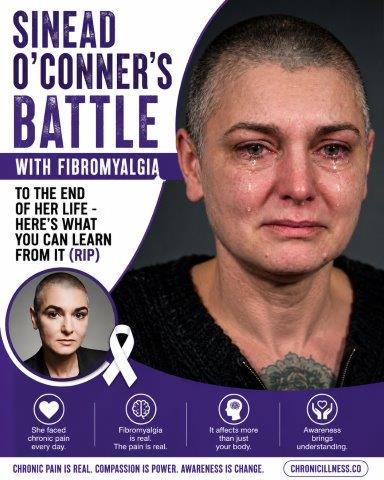
The late singer-songwriter Sinead O’Connor was known for her extraordinary voice, emotional honesty, and fearless authenticity. Throughout her life, she openly discussed many personal struggles, including physical and emotional health challenges. Among the conditions she reportedly faced was fibromyalgia, a chronic disorder that affects millions of people worldwide and is often misunderstood.
Fibromyalgia is far more than ordinary pain or tiredness. It is a complex condition that can affect the entire body, energy levels, mental clarity, emotional health, and everyday functioning. People living with fibromyalgia frequently face invisible battles that others cannot see, making support, compassion, and awareness especially important.
Sinead O’Connor’s journey sheds light on the reality of chronic illness and offers meaningful lessons about resilience, mental health, self-care, and understanding invisible pain.
This article explores what fibromyalgia is, how chronic pain can affect every part of life, and what we can learn from Sinead O’Connor’s experience.
Understanding Fibromyalgia
Fibromyalgia is a long-term condition commonly associated with:
- Widespread body pain
- Extreme fatigue
- Sleep disturbances
- Brain fog and memory problems
- Muscle stiffness
- Increased sensitivity to pain and stress
Researchers believe fibromyalgia involves abnormalities in how the nervous system processes pain signals. As a result, people may experience pain more intensely than usual.
The condition is often difficult to diagnose because symptoms overlap with many other illnesses, and there are no definitive blood tests or scans that clearly confirm it.
Unfortunately, this can leave many individuals feeling unheard or misunderstood.
Chronic Pain Is More Than Physical Discomfort
One of the biggest misconceptions about fibromyalgia is the assumption that it only involves pain.
In reality, chronic pain affects much more than the body.
The Daily Reality of Living With Chronic Pain
For many people, fibromyalgia means waking up every day with symptoms that may include:
- Muscle aches
- Joint tenderness
- Fatigue
- Sleep problems
- Difficulty concentrating
- Emotional exhaustion
Even simple daily activities may feel overwhelming.
Tasks many people take for granted—such as grocery shopping, cleaning, attending work, or socializing—can become physically and mentally draining.
People often push through symptoms while appearing fine externally, even when struggling internally.
Pain That Others Cannot See
One of the hardest realities of fibromyalgia is its invisibility.
Someone may look healthy while privately managing severe discomfort.
This often leads to painful misunderstandings.
People with fibromyalgia may hear comments such as:
- “You look fine.”
- “Maybe you just need more sleep.”
- “Everyone gets tired.”
- “It can’t be that bad.”
These responses can feel invalidating and isolating.
Stories like Sinead O’Connor’s help remind us that invisible illness is still real illness.
Sinead O’Connor’s Openness About Struggle
Sinead O’Connor was widely admired for speaking honestly about personal struggles, including health and emotional pain.
Throughout her career, she demonstrated unusual courage in discussing experiences many people are afraid to talk about publicly.
Her honesty resonated deeply with audiences because it reflected something profoundly human:
Pain is complicated, and suffering is not always visible.
While chronic illness affects people differently, Sinead’s story highlights the emotional weight that ongoing health struggles can carry.
The Emotional Burden of Chronic Illness
Living with fibromyalgia can impact mental and emotional well-being.
Many people experience:
- Frustration
- Anxiety
- Isolation
- Grief over lost energy or independence
- Emotional exhaustion
When pain becomes constant, it can affect relationships, confidence, and overall quality of life.
For public figures especially, maintaining expectations while struggling privately can feel overwhelming.
Sinead O’Connor’s willingness to be vulnerable helped many people feel less alone in their own struggles.
Fibromyalgia Affects More Than the Body
Many people think fibromyalgia only causes muscle pain, but symptoms often extend far beyond physical discomfort.
Fatigue and Exhaustion
Extreme fatigue is one of the most common symptoms.
This is not ordinary tiredness.
Fibromyalgia fatigue may feel like:
- Waking up exhausted
- Feeling drained after minor activity
- Needing extended recovery time
- Struggling to maintain energy throughout the day
Even after sleeping, many people still feel physically depleted.
Brain Fog and Mental Fatigue
Many people with fibromyalgia experience cognitive difficulties, commonly called fibro fog.
Symptoms may include:
- Forgetfulness
- Trouble concentrating
- Mental confusion
- Difficulty processing information
This can interfere with:
- Work performance
- Conversations
- Daily tasks
- Confidence
Brain fog can feel especially frustrating because symptoms are difficult to explain to others.
Sleep Problems
Poor sleep often worsens fibromyalgia symptoms.
People may experience:
- Difficulty falling asleep
- Frequent waking
- Non-restorative sleep
- Morning exhaustion
Poor sleep and pain often create a difficult cycle where one symptom worsens the other.
The Importance of Awareness
One of the biggest lessons from public stories involving chronic illness is the importance of awareness.
Fibromyalgia remains widely misunderstood despite affecting millions.
Why Awareness Matters
Greater understanding helps:
- Reduce stigma
- Encourage empathy
- Improve relationships
- Help people seek diagnosis earlier
- Validate invisible illness experiences
Many individuals spend years feeling dismissed before receiving proper recognition of their symptoms.
Awareness helps change that.
Compassion Changes Lives
Sometimes the most powerful support is simple understanding.
People living with fibromyalgia often need:
- Patience
- Flexibility
- Emotional support
- Validation
- Compassion rather than judgment
Understanding that symptoms fluctuate unpredictably can help friends and family become more supportive.
Lessons We Can Learn From Sinead O’Connor’s Story
Although every chronic illness journey is unique, there are several meaningful lessons people can take from stories like Sinead O’Connor’s.
1. Invisible Pain Is Still Real
Someone does not have to “look sick” for their suffering to be genuine.
Chronic illness often exists quietly.
Learning to believe people when they describe pain is important.
2. Mental Health and Physical Health Are Connected
Long-term pain can deeply affect emotional well-being.
Living with ongoing symptoms may contribute to:
- Anxiety
- Depression
- Stress
- Emotional burnout
Supporting mental health matters just as much as addressing physical symptoms.
3. Rest Is Necessary, Not Weakness
Many people living with fibromyalgia struggle with guilt around slowing down.
However, recovery often requires:
- Rest
- Pacing activities
- Listening to the body
- Managing stress carefully
Pushing too hard can sometimes worsen symptoms.
4. Speaking Openly Reduces Stigma
Public conversations about chronic illness help people feel less isolated.
Stories of vulnerability encourage understanding and remind others they are not alone.
5. Compassion Matters More Than Advice
People with fibromyalgia often do not need solutions as much as understanding.
Simple statements like:
- “I believe you.”
- “I’m here for you.”
- “That sounds difficult.”
can make a tremendous difference.
Supporting Someone Living With Fibromyalgia
If someone you love lives with fibromyalgia, there are practical ways to help.
Listen Without Judgment
Allow space for honest conversations without minimizing symptoms.
Be Flexible
Symptoms may change unexpectedly, requiring canceled plans or extra rest.
Learn About the Condition
Education helps reduce misunderstandings.
Offer Practical Help
Small gestures can matter, including:
- Running errands
- Helping with meals
- Providing emotional support
- Offering transportation to appointments
Respect Their Limits
What feels manageable one day may feel impossible the next.
Patience is important.
Fibromyalgia Is Real
One of the most important messages worth repeating is this:
Fibromyalgia is real.
The pain is real.
The fatigue is real.
The emotional toll is real.
Just because symptoms are invisible does not make them any less serious.
Millions of people navigate these struggles every day while trying to maintain jobs, relationships, families, and responsibilities.
Understanding and compassion can make a meaningful difference.
Final Thoughts
Sinead O’Connor’s life touched millions through music, honesty, and emotional vulnerability. Her openness about struggle—whether emotional, physical, or personal—helped people feel seen in their own experiences.
Her story reminds us that chronic pain affects far more than the body. Fibromyalgia can impact energy, sleep, mental clarity, emotions, and everyday life in ways others may never fully understand.
Most importantly, her story teaches us the value of compassion.
Invisible illness deserves visibility.
Chronic pain deserves understanding.
And people living with fibromyalgia deserve to be believed, supported, and treated with kindness.
Awareness changes conversations, and compassion changes lives.

For More Information Related to Fibromyalgia Visit below sites:
References:
Join Our Whatsapp Fibromyalgia Community
Click here to Join Our Whatsapp Community
Official Fibromyalgia Blogs
Click here to Get the latest Fibromyalgia Updates
Fibromyalgia Stores
Comments
Post a Comment