Chronic pain changes life in ways that many people never fully understand. Unlike temporary pain caused by an injury or illness, chronic pain does not simply disappear after a few days or weeks. It becomes a constant companion—sometimes loud and overwhelming, other times quieter but always present in the background.
For people living with fibromyalgia and other chronic pain conditions, daily life often involves a struggle that remains invisible to others. Many continue working, caring for families, showing up for responsibilities, and trying to maintain relationships while silently fighting battles no one else can see.
One powerful reflection about chronic pain captures this reality:
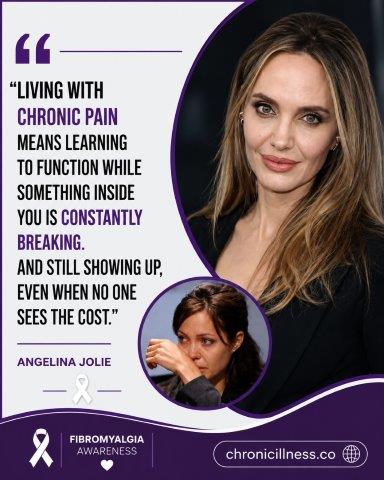
“Living with chronic pain means learning to function while something inside you is constantly breaking. And still showing up, even when no one sees the cost.”
This statement resonates deeply with people living with fibromyalgia because it describes an experience that often feels impossible to explain. The hardest part is not only the pain itself—but also the effort required to continue functioning despite it.
Understanding what chronic pain really means can help replace misunderstanding with compassion and awareness.
What Is Fibromyalgia?
Fibromyalgia is a chronic condition primarily known for causing widespread musculoskeletal pain, fatigue, tenderness, and nervous system sensitivity.
However, fibromyalgia is much more than pain alone.
It often affects:
- Energy levels
- Sleep quality
- Cognitive functioning
- Emotional well-being
- Daily physical functioning
Researchers believe fibromyalgia affects the way the brain and nervous system process pain signals. This means the body becomes overly sensitive to sensations, causing discomfort that may feel amplified compared to what others experience.
Simple movements, pressure, temperature changes, stress, or overactivity can trigger symptoms.
Fibromyalgia is often classified as an invisible illness, meaning someone may appear perfectly healthy externally while struggling significantly internally.
Chronic Pain Is Not the Same as Temporary Pain
Most people experience pain occasionally.
A headache, sore muscles, or injury usually improves with rest or treatment.
Chronic pain works differently.
What Defines Chronic Pain?
Chronic pain is pain that persists for months or years, often continuing even when no visible injury exists.
For people with fibromyalgia, pain may occur daily and affect multiple body areas at once.
Pain can feel:
- Burning
- Stabbing
- Aching
- Throbbing
- Sharp
- Deeply sore
Many people describe feeling as though their body is constantly fighting against itself.
Unlike temporary discomfort, chronic pain rarely offers complete relief.
The Hidden Work of “Functioning”
One of the biggest misunderstandings surrounding chronic illness is the belief that if someone is functioning, they must not be suffering.
In reality, many people with fibromyalgia become experts at appearing okay.
They go to work.
They attend family events.
They smile during conversations.
They complete errands.
But behind the scenes, enormous effort is often required just to make it through the day.
What Others Do Not See
What many people fail to notice is the hidden cost.
Someone with fibromyalgia may experience:
- Severe pain before leaving the house
- Fatigue that feels unbearable
- Anxiety about keeping up appearances
- Recovery periods after social events
- Exhaustion from pushing through symptoms
Sometimes simply showering, getting dressed, or preparing food can require significant energy.
The strength required to continue functioning often goes unnoticed.
Fibromyalgia and the Feeling of Constantly Breaking
Many individuals with chronic pain describe feeling as though something inside them is slowly breaking.
This feeling is difficult to explain because it goes beyond physical discomfort.
It may involve:
- Emotional exhaustion
- Mental burnout
- Physical depletion
- Grief over lost abilities
- Fear of worsening symptoms
There is often sadness surrounding activities that once felt easy.
Simple pleasures may suddenly become complicated.
The Grief of Losing Your Old Life
One emotional reality many people with fibromyalgia experience is grief.
Not grief in the traditional sense, but grief over the version of themselves they once knew.
People may miss:
- Their old energy levels
- Spontaneous outings
- Physical strength
- Social activities
- Career goals
- Independence
Chronic illness often forces people to redefine what normal means.
Fibromyalgia Fatigue: More Than Just Tiredness
One of the most misunderstood symptoms of fibromyalgia is fatigue.
This is not ordinary tiredness.
People often describe fibromyalgia fatigue as crushing exhaustion.
What Fibromyalgia Fatigue Feels Like
Many explain it as:
- Feeling drained before the day begins
- Having heavy limbs
- Struggling to think clearly
- Feeling physically weak
- Needing rest after basic tasks
Even after sleeping for many hours, many people wake up feeling exhausted.
Fatigue can become just as disabling as pain.
Why Fatigue Feels So Severe
Researchers believe several factors contribute to fatigue, including:
Because the body never fully rests, energy often feels depleted.
Sleep Problems Add to the Struggle
Many individuals with fibromyalgia struggle with disrupted sleep.
Pain often interferes with deep, restorative rest.
Common Sleep Challenges
These may include:
- Difficulty falling asleep
- Frequent waking during the night
- Light sleep
- Feeling unrested after sleep
Poor sleep intensifies:
This creates an exhausting cycle.
The worse sleep becomes, the harder symptoms become to manage.
Fibro Fog: When Pain Affects the Mind
Fibromyalgia does not only affect the body—it affects thinking too.
Many people experience fibro fog, a type of cognitive dysfunction.
Symptoms of Fibro Fog
Common struggles include:
- Forgetfulness
- Trouble concentrating
- Mental confusion
- Difficulty finding words
- Poor short-term memory
Simple conversations or work tasks may suddenly become difficult.
Mental exhaustion often adds frustration to physical suffering.
The Emotional Cost No One Sees
Chronic pain affects emotional health deeply.
Many people living with fibromyalgia struggle silently with:
- Anxiety
- Depression
- Frustration
- Emotional burnout
- Loneliness
The emotional toll becomes heavier when symptoms are dismissed.
The Pain of Being Misunderstood
People with invisible illnesses often hear comments such as:
- “You look fine.”
- “Everyone gets tired.”
- “You just need more exercise.”
- “Maybe you’re stressed.”
While often well-intended, these comments can feel invalidating.
Being misunderstood can feel almost as painful as the illness itself.
Why People With Fibromyalgia Keep Showing Up Anyway
Despite pain, exhaustion, and invisible struggles, many people with fibromyalgia continue showing up.
They continue:
- Raising children
- Working jobs
- Caring for loved ones
- Maintaining households
- Supporting friends
This resilience often goes unnoticed.
Showing up does not mean symptoms disappeared.
It often means someone is pushing through tremendous discomfort.
Strength Looks Different in Chronic Illness
Strength in chronic illness is not always loud or obvious.
Sometimes strength looks like:
- Getting out of bed despite pain
- Making a meal during exhaustion
- Attending an appointment
- Asking for help
- Resting when needed
Progress may look different after chronic illness.
And that is okay.
Learning to Adapt to a New Normal
Living with fibromyalgia often means adjusting expectations.
The old version of normal may no longer exist.
Instead, people often create a new normal.
What Adapting Might Look Like
Many people learn to:
- Pace activities carefully
- Prioritize energy
- Rest before flare-ups worsen
- Set boundaries
- Ask for support
Adaptation becomes essential for survival.
How Loved Ones Can Offer Better Support
Support from others can make an enormous difference.
Often, people do not need solutions—they need understanding.
Helpful Ways to Support Someone With Chronic Pain
Believe Their Experience
Pain does not have to be visible to be real.
Be Flexible
Plans may change unexpectedly due to symptoms.
Avoid Minimizing Comments
Simple phrases can unintentionally feel dismissive.
Offer Practical Help
Help with meals, errands, or household tasks can reduce stress.
Compassion matters more than many people realize.
Why Awareness About Chronic Pain Matters
Fibromyalgia and chronic pain conditions are often invisible, making awareness essential.
Education helps reduce stigma.
Greater understanding encourages:
- Compassion
- Better workplace accommodations
- Earlier diagnosis
- Stronger support systems
People living with chronic pain deserve to feel believed rather than questioned.
Final Thoughts
Living with chronic pain means carrying invisible burdens every single day. Fibromyalgia challenges not only the body but also the mind, emotions, relationships, and sense of identity.
For many, life becomes a balancing act between pain, exhaustion, responsibilities, and survival.
The reality is that many people with fibromyalgia continue showing up despite enormous hidden costs. They smile through pain, fulfill obligations during exhaustion, and quietly push through struggles others may never see.
Chronic pain may change life, but it does not erase strength.
Sometimes, strength simply means continuing forward—one difficult day at a time.

For More Information Related to Fibromyalgia Visit below sites:
References:
Join Our Whatsapp Fibromyalgia Community
Click here to Join Our Whatsapp Community
Official Fibromyalgia Blogs
Click here to Get the latest Fibromyalgia Updates
Fibromyalgia Stores
Comments
Post a Comment