Can Fibromyalgia Develop in Childhood? Understanding Juvenile Fibromyalgia and the Early Signs Parents Should Never Ignore
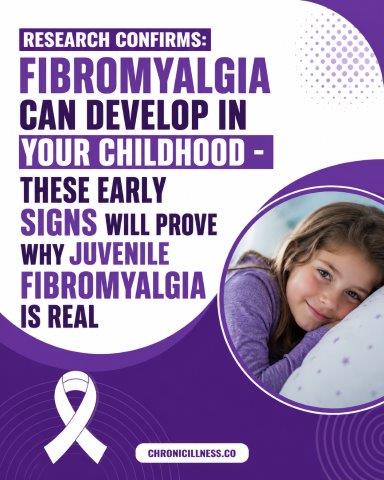
Fibromyalgia is often thought of as a condition that affects adults, particularly middle-aged individuals. However, growing research and medical awareness suggest something many people do not realize: fibromyalgia can develop during childhood and adolescence.
For years, children struggling with unexplained pain, fatigue, sleep problems, and emotional distress were often misunderstood or misdiagnosed. Many families were told symptoms were “growing pains,” anxiety, poor posture, stress, or simply exaggerated complaints. Today, however, healthcare professionals increasingly recognize a condition known as juvenile fibromyalgia syndrome (JFMS).
Juvenile fibromyalgia is a real medical condition that affects children and teenagers, causing widespread pain, extreme tiredness, sleep disturbances, cognitive challenges, and sensitivity throughout the body. Because symptoms often overlap with other illnesses, diagnosis can take time, leaving children struggling without clear answers.
Understanding the early signs of juvenile fibromyalgia can help parents, caregivers, and educators better recognize when something deeper may be happening.
What Is Juvenile Fibromyalgia?
Juvenile fibromyalgia is a chronic pain condition that occurs in children and adolescents. It shares many similarities with adult fibromyalgia but may present differently depending on age and development.
The condition is characterized by widespread musculoskeletal pain, fatigue, sleep disturbances, and heightened sensitivity to physical sensations.
Researchers believe juvenile fibromyalgia affects how the nervous system processes pain signals. Instead of responding normally, the brain and nervous system may become overly sensitive, amplifying pain experiences.
This means sensations that would not typically feel painful can become uncomfortable or even severe.
At What Age Can Juvenile Fibromyalgia Begin?
Juvenile fibromyalgia most commonly develops between ages 9 and 15, though symptoms may appear earlier or later.
It appears to affect girls more frequently than boys, especially during adolescence, though children of any gender can develop the condition.
Symptoms often begin gradually and may worsen over time.
Many families report noticing “something seems off” long before receiving an actual diagnosis.
Why Juvenile Fibromyalgia Is Often Missed
One of the biggest challenges with juvenile fibromyalgia is that symptoms are often misunderstood.
Because children may look healthy externally, adults sometimes assume the complaints are exaggerated, emotional, or temporary.
A child experiencing chronic pain may hear statements like:
- “You’re too young to hurt.”
- “It’s probably just growing pains.”
- “You need more exercise.”
- “You’ll feel better tomorrow.”
Unfortunately, this misunderstanding can delay proper support and treatment.
Why Diagnosis Is Difficult
There is currently no single blood test or scan that confirms fibromyalgia.
Doctors usually diagnose juvenile fibromyalgia after:
- Reviewing symptoms
- Performing physical examinations
- Ruling out other conditions
- Assessing pain patterns and fatigue
Because symptoms overlap with autoimmune disorders, arthritis, sleep disorders, anxiety, and chronic fatigue syndrome, diagnosis may take time.
Early Signs of Juvenile Fibromyalgia
Recognizing symptoms early may help children receive support sooner.
Below are some of the most common warning signs associated with juvenile fibromyalgia.
1. Widespread Body Pain
The hallmark symptom of juvenile fibromyalgia is persistent widespread pain.
Unlike pain caused by injury, this discomfort affects multiple areas of the body.
Areas Commonly Affected
Children may complain of pain in:
- Legs
- Arms
- Neck
- Shoulders
- Back
- Hips
Pain may feel:
- Achy
- Burning
- Sharp
- Deep or sore
Symptoms often move around the body and may vary in intensity.
Parents sometimes notice children frequently rubbing muscles, avoiding physical activity, or expressing discomfort without obvious injury.
Pain That Seems Unexplained
A key sign is pain that persists without clear physical cause.
When pain lasts for weeks or months without explanation, it deserves medical attention.
2. Constant Fatigue and Low Energy
Fatigue in juvenile fibromyalgia is more than normal tiredness after school or sports.
Children often feel exhausted even after rest.
Signs of Fatigue in Children
Parents may notice:
- Difficulty waking up
- Frequent naps
- Reduced stamina
- Lack of energy for favorite activities
- Increased irritability
A child who once enjoyed sports or social activities may suddenly begin withdrawing due to exhaustion.
Fatigue often becomes one of the most disruptive symptoms.
3. Trouble Sleeping or Poor Sleep Quality
Sleep problems are extremely common in juvenile fibromyalgia.
Even when children sleep for long periods, they may wake up feeling unrefreshed.
Common Sleep Issues
Children may experience:
- Difficulty falling asleep
- Frequent waking during the night
- Restless sleep
- Morning exhaustion
Poor sleep can significantly worsen pain sensitivity, concentration problems, and emotional stress.
Sleep disruption often creates a cycle where symptoms become harder to manage.
4. Frequent Headaches or Migraines
Many children with juvenile fibromyalgia experience chronic headaches.
These may range from tension headaches to severe migraines.
Signs Parents May Notice
- Frequent complaints of headaches
- Sensitivity to light or noise
- Nausea during headaches
- Missing school due to pain
Recurring headaches alongside body pain and fatigue may suggest a broader underlying issue.
5. Difficulty Concentrating or “Brain Fog”
Children with juvenile fibromyalgia may struggle mentally as much as physically.
Many experience cognitive difficulties similar to adult fibro fog.
Common Cognitive Symptoms
A child may experience:
- Trouble focusing in school
- Forgetfulness
- Difficulty following instructions
- Slower thinking
- Trouble remembering assignments
Teachers may mistakenly interpret these struggles as laziness, distraction, or lack of effort.
In reality, the child may be struggling with overwhelming fatigue and nervous system overload.
6. Increased Sensitivity to Touch or Pressure
Children with fibromyalgia often become unusually sensitive to touch.
Simple pressure that would not bother another child may feel painful.
Examples of Sensitivity
Children may complain that:
- Tight clothing feels uncomfortable
- Backpacks hurt their shoulders
- Sitting too long causes pain
- Hugs or physical contact feel uncomfortable
This sensitivity may confuse both parents and teachers.
7. Mood Changes, Anxiety, or Emotional Distress
Chronic pain affects emotional health, especially in children.
Living with symptoms they cannot explain often creates emotional frustration.
Emotional Signs to Watch For
Children may experience:
- Anxiety
- Sadness
- Irritability
- Mood swings
- Social withdrawal
Some children become frustrated because they cannot participate in activities like their peers.
Feeling misunderstood may also increase emotional stress.
8. Increased School Absences
Juvenile fibromyalgia often affects school attendance.
Pain, fatigue, headaches, and sleep issues may make getting through the school day difficult.
Parents may notice:
- Frequent sick days
- Trouble keeping up academically
- Fatigue after school
- Difficulty concentrating in class
Without proper understanding, children may feel discouraged or isolated.
What Causes Juvenile Fibromyalgia?
The exact cause of juvenile fibromyalgia remains unclear, but researchers believe several factors may contribute.
Genetics
Fibromyalgia sometimes runs in families.
Children with relatives who have chronic pain disorders may have increased risk.
Nervous System Sensitivity
Researchers believe pain processing abnormalities in the nervous system play a central role.
The brain may amplify pain signals abnormally.
Physical or Emotional Stress
In some cases, symptoms begin after:
- Illness
- Injury
- Emotional trauma
- Major life stressors
However, symptoms can also appear without a clear trigger.
How Juvenile Fibromyalgia Is Managed
Although there is currently no cure, symptoms can often be managed successfully.
Treatment usually focuses on improving quality of life.
Gentle Exercise
Light physical movement often helps reduce stiffness and improve energy.
Activities may include:
- Swimming
- Walking
- Stretching
- Yoga
Overexertion should be avoided.
Better Sleep Habits
Improving sleep quality often reduces symptom severity.
Consistent bedtime routines may help.
Emotional Support
Mental health support is important for children coping with chronic pain.
Counseling may help manage stress and emotional challenges.
Pain Management Strategies
Doctors may recommend personalized treatment approaches depending on symptoms.
Management plans vary from child to child.
Supporting a Child With Juvenile Fibromyalgia
One of the most important things adults can do is believe the child’s experience.
Children living with chronic pain need understanding, patience, and support.
Helpful Ways Parents Can Help
Listen Without Judgment
Take symptoms seriously even when pain is invisible.
Work With Schools
Teachers and staff may need accommodations for fatigue or pain.
Encourage Balance
Support activity while respecting physical limits.
Focus on Emotional Health
Validate feelings and provide emotional reassurance.
Supportive environments help children feel less isolated.
Why Awareness Matters
Juvenile fibromyalgia remains underrecognized despite growing research.
Early awareness may reduce years of confusion, frustration, and misdiagnosis.
Children experiencing chronic pain deserve understanding—not dismissal.
Recognizing symptoms early may improve outcomes and help children develop healthy coping strategies sooner.
The sooner symptoms are understood, the easier it becomes to build supportive routines.
Final Thoughts
Fibromyalgia is not limited to adulthood. Research increasingly confirms that children and teenagers can develop juvenile fibromyalgia, experiencing very real symptoms that affect daily life, education, emotions, and overall well-being.
Persistent pain, fatigue, poor sleep, headaches, concentration problems, and sensitivity are not simply “growing pains” when they continue over time.
Juvenile fibromyalgia is real, and children living with it deserve compassion, medical support, and understanding.
By learning the early warning signs, parents and caregivers can better advocate for children who may otherwise struggle in silence. Awareness can make an important difference in helping young people feel supported, validated, and empowered as they learn to navigate life with chronic pain.

For More Information Related to Fibromyalgia Visit below sites:
References:
Join Our Whatsapp Fibromyalgia Community
Click here to Join Our Whatsapp Community
Official Fibromyalgia Blogs
Click here to Get the latest Fibromyalgia Updates
Fibromyalgia Stores
Comments
Post a Comment