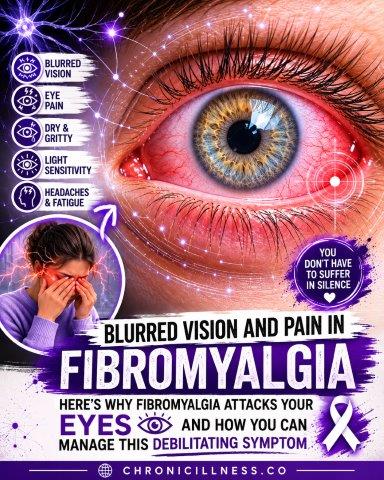
Fibromyalgia is widely known for causing chronic pain, fatigue, muscle tenderness, and sleep problems. However, many people are surprised to learn that fibromyalgia can also affect the eyes and vision. Symptoms like blurred vision, eye pain, dryness, light sensitivity, headaches, and visual discomfort are often overlooked, yet they can significantly affect daily life.
For individuals living with fibromyalgia, these symptoms can be frustrating, confusing, and even frightening. Many people wonder whether their eye problems are related to aging, screen use, migraines, or another health issue. While not everyone with fibromyalgia experiences visual symptoms, eye discomfort is more common than many realize.
Understanding the connection between fibromyalgia and eye-related symptoms can help people feel validated, seek appropriate support, and explore strategies to manage discomfort.
In this article, we will explore why fibromyalgia may affect the eyes, common symptoms people experience, possible causes, and practical ways to reduce discomfort.
Can Fibromyalgia Affect Your Eyes?
Yes, fibromyalgia can affect the eyes and visual system.
Although fibromyalgia is primarily known as a nervous system disorder associated with widespread pain, it can influence how the brain processes sensory information—including vision.
Many individuals with fibromyalgia report symptoms such as:
- Blurred vision
- Eye pain or pressure
- Dry, irritated eyes
- Light sensitivity
- Trouble focusing visually
- Headaches related to eye strain
These symptoms may appear during flare-ups or become more noticeable during periods of fatigue, stress, or sensory overload.
Because fibromyalgia affects pain perception and sensory processing, visual discomfort may feel more intense than it would for someone without the condition.
Why Does Fibromyalgia Affect Vision?
Researchers are still studying the exact connection between fibromyalgia and eye symptoms, but several factors may explain why visual problems occur.
Nervous System Sensitivity
Fibromyalgia is believed to involve central sensitization, a condition where the nervous system becomes overly sensitive.
This heightened sensitivity can cause the brain to amplify:
- Pain signals
- Sensory experiences
- Light sensitivity
- Eye discomfort
As a result, everyday visual experiences may feel overwhelming or painful.
Bright lights, computer screens, fluorescent lighting, and visually busy environments may become difficult to tolerate.
Muscle Tension Around the Eyes
Fibromyalgia often causes widespread muscle tension and pain.
The muscles surrounding the eyes and forehead may also become tight or strained, leading to:
- Eye pain
- Pressure sensations
- Headaches
- Difficulty focusing
Eye strain can worsen during stressful periods or after long hours using digital devices.
Dry Eye Syndrome
Dry eyes are surprisingly common among people with fibromyalgia.
Some individuals experience:
- Burning sensations
- Gritty feelings in the eyes
- Irritation
- Redness
- Excessive tearing caused by dryness
Ironically, dry eyes may sometimes cause watery eyes because the body tries to compensate for irritation.
Certain medications used to manage fibromyalgia symptoms may also contribute to dryness.
Sleep Disturbances and Fatigue
Poor sleep quality is a major symptom of fibromyalgia.
Lack of restorative sleep may contribute to:
- Eye strain
- Blurred vision
- Increased light sensitivity
- Headaches
When the body is exhausted, the eyes may struggle to focus properly, especially during long workdays or screen-heavy activities.
Migraine and Headache Connection
Many people with fibromyalgia also experience headaches or migraines.
Migraines may trigger visual symptoms such as:
- Blurry vision
- Sensitivity to light
- Eye pressure
- Temporary visual disturbances
Pain around the eyes can sometimes feel severe enough to mimic an eye problem when the root issue is actually neurological.
Common Eye Symptoms in Fibromyalgia
Although symptoms vary from person to person, several visual complaints appear repeatedly among people living with fibromyalgia.
1. Blurred Vision
Blurred vision is one of the most commonly reported symptoms.
People may notice:
- Difficulty focusing
- Trouble reading text
- Vision that feels “off”
- Temporary blurriness during flare-ups
Sometimes vision changes throughout the day, becoming worse when fatigue increases.
Blurred vision can be frustrating, especially when trying to work, drive, or use screens.
2. Eye Pain
Some people with fibromyalgia experience eye pain or discomfort.
This may feel like:
- Pressure behind the eyes
- Aching sensations
- Sharp discomfort
- Soreness around the eye area
Pain may worsen after screen time, poor sleep, or periods of stress.
3. Dry and Gritty Eyes
Dry eye symptoms may feel like:
- Sand or grit in the eyes
- Burning
- Irritation
- Redness
- Constant blinking
These symptoms can interfere with reading, driving, and concentration.
Dry eyes may also contribute to blurred vision.
4. Light Sensitivity
Light sensitivity, also called photophobia, is common in fibromyalgia.
Bright environments may feel overwhelming, including:
- Sunlight
- Phone screens
- Fluorescent lights
- Car headlights at night
Some individuals find themselves squinting more often or avoiding bright settings altogether.
Light sensitivity may become worse during migraines or symptom flare-ups.
5. Headaches and Eye Fatigue
Eye discomfort often overlaps with headaches.
People may experience:
- Tension headaches
- Eye strain
- Pressure around the forehead
- Fatigue after reading or screen use
Long periods of concentration may feel mentally and physically draining.
How Fibromyalgia Eye Symptoms Affect Daily Life
Visual symptoms can significantly impact quality of life.
People may struggle with:
Working on Computers
Extended screen time may worsen:
- Eye strain
- Dryness
- Headaches
- Blurred vision
Many people notice symptoms intensify after hours of digital work.
Driving Difficulties
Light sensitivity and blurry vision may make driving stressful, especially:
- At night
- In bright sunlight
- During migraines
Some individuals avoid driving during symptom flare-ups.
Reading and Focus Problems
Difficulty focusing visually can interfere with:
- Reading books
- Emails
- Studying
- Everyday tasks
This may contribute to frustration and mental exhaustion.
Emotional Stress
Unexplained eye symptoms can feel frightening.
Many people worry:
- “Am I losing my vision?”
- “Why do my eyes hurt all the time?”
- “Is something seriously wrong?”
Feeling uncertain can increase anxiety, which may worsen fibromyalgia symptoms.
When to See an Eye Doctor
Although fibromyalgia may contribute to eye symptoms, it is important not to assume all visual problems are caused by fibromyalgia.
You should seek medical attention if you experience:
- Sudden vision loss
- Severe eye pain
- Flashing lights
- Double vision
- Significant vision changes
- Persistent redness or swelling
An eye exam can help rule out other conditions such as:
- Dry eye disease
- Glaucoma
- Cataracts
- Retinal problems
- Neurological conditions
Always take new or worsening eye symptoms seriously.
How to Manage Eye Symptoms With Fibromyalgia
Although there is no single cure for fibromyalgia-related vision issues, many people find relief through symptom management strategies.
Limit Screen Strain
Digital screens may worsen discomfort.
Helpful habits include:
- Taking frequent breaks
- Lowering screen brightness
- Using blue-light filters
- Adjusting text size
The 20-20-20 rule may help:
Every 20 minutes, look at something 20 feet away for 20 seconds.
Use Artificial Tears
Lubricating eye drops may help reduce:
- Dryness
- Burning
- Irritation
Choose preservative-free options when possible if symptoms are frequent.
Manage Light Sensitivity
Helpful adjustments may include:
- Wearing sunglasses outdoors
- Using dim lighting indoors
- Reducing screen brightness
- Wearing tinted lenses if recommended by an eye specialist
Prioritize Sleep
Better sleep can improve many fibromyalgia symptoms, including visual discomfort.
Try:
- Consistent sleep schedules
- Relaxing nighttime routines
- Limiting caffeine late in the day
Stay Hydrated
Dehydration may worsen dry eyes and headaches.
Drinking enough water throughout the day can support eye comfort.
Manage Stress
Stress can worsen fibromyalgia flare-ups and visual symptoms.
Helpful tools may include:
- Deep breathing
- Gentle stretching
- Meditation
- Rest periods
- Therapy or counseling
Reducing stress may lower symptom intensity over time.
The Importance of Listening to Your Body
Fibromyalgia symptoms can fluctuate unpredictably, and eye problems are no exception.
Some days may feel manageable, while others bring increased discomfort.
Learning personal triggers can be helpful.
For example, some people notice symptoms worsen with:
- Lack of sleep
- Bright lights
- Stress
- Overworking
- Long screen sessions
Keeping a symptom journal may help identify patterns.
The more you understand your body’s responses, the easier it becomes to make supportive adjustments.
You Do Not Have to Suffer in Silence
Eye pain and blurred vision can feel isolating, especially when others do not understand how deeply symptoms affect daily life.
Because fibromyalgia is an invisible illness, many people feel dismissed when discussing symptoms that are difficult to explain.
However, your discomfort matters.
Pain, sensitivity, and visual changes deserve attention and care.
Seeking support from healthcare providers, loved ones, or fibromyalgia communities may help reduce feelings of frustration and isolation.
Final Thoughts
Fibromyalgia can affect far more than muscles and joints—it may also impact the eyes and visual system. Symptoms such as blurred vision, eye pain, dry and gritty eyes, light sensitivity, headaches, and fatigue can interfere with work, focus, comfort, and emotional well-being.
While these symptoms may feel overwhelming, understanding the connection between fibromyalgia and eye discomfort is an important step toward better symptom management.
Simple lifestyle adjustments, proper medical care, stress management, and healthy sleep habits may help reduce visual strain and improve quality of life.
Most importantly, remember this: you do not have to suffer in silence. If your symptoms are affecting daily life, seeking support and guidance can make a meaningful difference.

For More Information Related to Fibromyalgia Visit below sites:
References:
Join Our Whatsapp Fibromyalgia Community
Click here to Join Our Whatsapp Community
Official Fibromyalgia Blogs
Click here to Get the latest Fibromyalgia Updates
Fibromyalgia Stores
Comments
Post a Comment