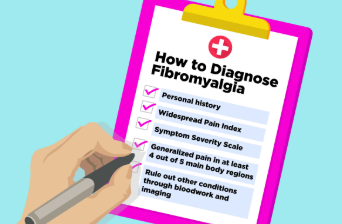
Understanding the Nature of Fibromyalgia Diagnosis and Follow-Up
Fibromyalgia is a complex chronic condition characterized by widespread pain, fatigue, sleep disturbance, and cognitive difficulties. Unlike conditions that can be confirmed through a single laboratory test or imaging result, fibromyalgia is diagnosed primarily through clinical evaluation and symptom patterns. This alone introduces an early layer of complexity that can influence how follow-up care unfolds after diagnosis.
In many cases, patients receive a diagnosis after a long period of uncertainty, often involving multiple consultations and investigations to rule out other possible conditions. However, even after the diagnosis is made, follow-up care does not always proceed in a timely or structured way. This delay can occur for a variety of reasons involving healthcare systems, provider limitations, patient circumstances, and the nature of the condition itself.
Understanding why follow-up is often delayed requires looking at fibromyalgia not as a simple medical event, but as a long-term, fluctuating condition that sits at the intersection of neurology, rheumatology, pain management, and mental health care.
Diagnostic Complexity Leading to Post-Diagnosis Uncertainty
One of the primary reasons follow-up can be delayed is the inherent uncertainty surrounding fibromyalgia diagnosis itself. Because there is no definitive laboratory marker, clinicians rely on symptom criteria, patient history, and exclusion of other diseases. This process can sometimes leave both patients and healthcare providers uncertain about the long-term management plan.
After diagnosis, some healthcare providers may feel that the condition has already been “confirmed,” even if there is no clear pathway for treatment beyond general advice. This can result in a lack of urgency in scheduling follow-up appointments, particularly when no immediate medical intervention is required beyond symptom management.
Additionally, fibromyalgia is often diagnosed alongside other overlapping conditions such as chronic fatigue syndrome, irritable bowel syndrome, or mood disorders. This overlap can blur responsibility for follow-up care, especially when multiple specialists are involved but no single provider takes ownership of long-term coordination.
Lack of Standardized Treatment Pathways
Unlike conditions such as diabetes or hypertension, fibromyalgia does not have a universally standardized treatment protocol that requires frequent monitoring or adjustment in a structured timeline. Management is highly individualized and often involves a combination of lifestyle changes, physical therapy, medication trials, and psychological support.
Because of this variability, some healthcare systems do not automatically schedule routine follow-ups after diagnosis unless symptoms worsen significantly. Instead, patients are often advised to return as needed. This “open-ended” approach can unintentionally lead to delays, especially when patients are unsure when or how often they should seek further care.
In some cases, clinicians may focus on educating the patient at the time of diagnosis and then leave ongoing management largely in the patient’s hands. While this can empower self-management, it can also reduce structured follow-up engagement.
Healthcare System Constraints and Resource Limitations
System-level factors play a major role in delayed follow-up care. Many healthcare systems are under pressure, with limited appointment availability, long waiting lists, and overburdened specialists. Fibromyalgia, being a chronic condition without immediate life-threatening complications, may not be prioritized for rapid follow-up scheduling compared to acute or high-risk conditions.
Specialists such as rheumatologists, neurologists, or pain management clinicians often have limited capacity. Once a diagnosis is made, patients may be discharged back to primary care, where follow-up depends on appointment availability and competing healthcare demands.
In some settings, follow-up delays are not intentional but rather a consequence of structural bottlenecks in access to care. This can lead to gaps of months or even longer between diagnosis and continued management support.
Fragmentation of Care Between Specialties
Fibromyalgia sits at the intersection of multiple medical disciplines. This creates a situation where responsibility for follow-up can become fragmented. A rheumatologist may confirm the diagnosis, a primary care physician may manage general health, a psychologist may address emotional well-being, and a physiotherapist may focus on movement and rehabilitation.
When care is distributed across multiple providers, coordination becomes essential. Without a clearly defined care pathway, patients may experience delays in follow-up simply because no single provider is actively tracking the overall management plan.
This fragmentation can also lead to duplication or omission of care. For example, one provider may assume another is handling follow-up, resulting in unintended gaps in patient monitoring.
Patient Fatigue and Reduced Healthcare Engagement
Fibromyalgia itself can significantly affect energy levels and motivation due to chronic fatigue and widespread pain. After a long diagnostic journey, many patients experience what is often described as “medical fatigue,” where ongoing engagement with healthcare systems feels exhausting.
Attending appointments requires physical effort, cognitive focus, and emotional resilience. For individuals already struggling with daily symptoms, scheduling and attending follow-up visits may be delayed simply due to lack of energy or the burden of managing multiple responsibilities.
In addition, some patients may feel discouraged if previous consultations did not provide clear relief or improvement. This can lead to reduced follow-up engagement, especially if they feel that further appointments may not significantly change their condition.
Psychological Impact and Emotional Avoidance
The emotional impact of fibromyalgia should not be underestimated. Receiving a chronic pain diagnosis can bring relief in terms of validation, but it can also introduce anxiety, frustration, or uncertainty about the future.
Some patients may delay follow-up because they are emotionally processing the diagnosis and are not ready to re-engage with healthcare discussions. Others may avoid follow-up due to fear of hearing that there are limited treatment options or that symptoms may persist long-term.
In certain cases, previous experiences of not being believed or having symptoms minimized by healthcare providers can contribute to avoidance of further appointments. Emotional barriers can therefore play a significant role in delaying continued care.
Misunderstanding of Fibromyalgia as a Non-Progressive Condition
Another factor contributing to delayed follow-up is the misconception that fibromyalgia is a stable or non-progressive condition that does not require ongoing medical supervision. While it is not typically associated with tissue degeneration or organ damage, symptoms can fluctuate significantly over time.
Some healthcare providers may communicate the condition in a way that unintentionally suggests that no further medical attention is needed unless symptoms become severe. Patients may interpret this as an indication that follow-up is unnecessary, leading to gaps in care.
This misunderstanding can reduce proactive monitoring, even though fibromyalgia often benefits from periodic reassessment and adjustment of management strategies.
Limited Access to Multidisciplinary Care
Effective fibromyalgia management often involves a multidisciplinary approach, including physical therapy, psychological support, medication management, and lifestyle interventions. However, access to such integrated care is not always readily available.
In many healthcare environments, these services are not coordinated under one system. As a result, patients may experience delays in accessing complementary treatments after diagnosis. Even when referrals are made, waiting lists for physiotherapy, pain clinics, or mental health services can be long.
These delays can create a gap between diagnosis and comprehensive care, during which patients may not receive structured follow-up or coordinated management.
Socioeconomic Barriers and Practical Limitations
Socioeconomic factors also play a significant role in follow-up delays. Transportation difficulties, work commitments, caregiving responsibilities, and financial constraints can all make it challenging for patients to attend appointments regularly.
For individuals with chronic pain and fatigue, even small logistical challenges can become significant barriers. The effort required to attend follow-up care may not always feel feasible, especially if appointments are far from home or require time off work.
In some healthcare systems, costs associated with consultations, therapies, or medications can also discourage timely follow-up, particularly if patients are uncertain about the benefit-to-cost ratio of continued care.
Variability of Symptoms and Perceived Need for Follow-Up
Fibromyalgia symptoms often fluctuate in intensity. Some patients may experience periods where symptoms are relatively manageable, followed by flare-ups that temporarily worsen their condition. This variability can influence perceptions of whether follow-up care is necessary.
When symptoms improve temporarily, patients may postpone or cancel follow-up appointments, believing that medical intervention is not currently required. Conversely, during severe flare-ups, they may seek care urgently but not maintain consistent long-term follow-up once symptoms stabilize again.
This cyclical pattern can lead to irregular engagement with healthcare services, resulting in delayed or inconsistent follow-up overall.
Provider Uncertainty and Limited Confidence in Treatment Options
Some healthcare providers may feel limited in their ability to offer effective long-term solutions for fibromyalgia. While there are evidence-based approaches for symptom management, there is no single curative treatment, and responses to therapy vary widely.
This uncertainty can influence how follow-up is structured. In some cases, clinicians may focus on initial diagnosis and basic management recommendations without scheduling regular follow-up appointments, especially if they feel that available interventions are limited.
This does not necessarily reflect lack of care, but rather the challenge of managing a condition with complex and variable treatment responses.
Overlapping Chronic Conditions Complicating Priorities
Fibromyalgia frequently coexists with other chronic conditions such as depression, anxiety, migraine disorders, or autoimmune-related symptoms. When multiple conditions are present, follow-up care may become dispersed across different specialties.
Patients may prioritize conditions that feel more urgent or disruptive at a given time, while fibromyalgia follow-up becomes secondary. Similarly, healthcare providers may focus on the condition within their specialty, leaving fibromyalgia management less consistently addressed.
This balancing of multiple health priorities can contribute to delayed or irregular follow-up.
Communication Gaps After Diagnosis
Clear communication at the time of diagnosis plays a crucial role in determining follow-up patterns. When patients do not receive detailed guidance about what to expect after diagnosis or how often to seek follow-up care, they may assume that no further appointments are necessary.
Uncertainty about whether symptoms should be monitored regularly or only addressed when severe can lead to delays. Without structured follow-up plans, patients may not know when to re-engage with healthcare services.
This communication gap can persist even in well-resourced healthcare systems, particularly when consultation time is limited.
The Resulting Impact of Delayed Follow-Up
When follow-up care is delayed, patients may miss opportunities for early intervention, adjustment of treatment strategies, and supportive care that could improve quality of life. Symptoms may become more entrenched, and secondary issues such as sleep disturbance, anxiety, or reduced physical activity may worsen over time.
Regular follow-up can help refine management approaches, identify new or changing symptoms, and provide reassurance and guidance. Without it, patients may feel unsupported or left to manage a complex condition on their own.
Conclusion
Delayed follow-up after fibromyalgia diagnosis is rarely caused by a single factor. Instead, it emerges from a combination of system-level limitations, clinical uncertainty, patient-related challenges, and the inherently complex nature of the condition itself. Fibromyalgia does not follow a linear disease trajectory, and this unpredictability extends into how care is organized and delivered.
Addressing these delays requires clearer care pathways, improved communication at diagnosis, better integration of multidisciplinary services, and greater recognition of the ongoing nature of fibromyalgia management.

For More Information Related to Fibromyalgia Visit below sites:
References:
Join Our Whatsapp Fibromyalgia Community
Click here to Join Our Whatsapp Community
Official Fibromyalgia Blogs
Click here to Get the latest Fibromyalgia Updates
Fibromyalgia Stores
Comments
Post a Comment