The Paradox at the Center of Modern Pain Care
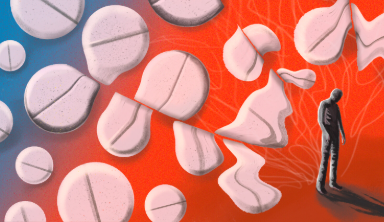
The relationship between the opioid crisis and chronic pain care is built on a paradox. Medications originally intended to relieve severe pain became widely prescribed, widely misused, and eventually heavily restricted. Those restrictions were necessary in many cases, but they also reshaped how pain is treated across healthcare systems in ways that continue to affect millions of people living with chronic pain conditions.
What emerged is not just an opioid crisis in isolation, but a parallel and less discussed chronic pain crisis. This second crisis is defined by undertreatment, limited access to effective pain management, increased stigma, and a growing sense among patients that their pain is less understood or less supported than it once was.
The connection between these two crises is not simple cause and effect. It is a chain reaction involving policy, clinical practice, patient behavior, and systemic caution that developed over time.
How Opioids Became Central to Pain Treatment
For decades, opioids were positioned as one of the primary tools for managing moderate to severe pain. They were used in surgical recovery, cancer care, injury treatment, and in some cases chronic non-cancer pain.
The appeal was straightforward. Opioids can significantly reduce pain perception, sometimes quickly and noticeably. For patients with severe suffering, they provided relief that other medications could not always match.
Over time, prescribing expanded beyond acute or terminal conditions into broader chronic pain management. In many healthcare settings, this expansion was encouraged by evolving medical norms, patient demand for relief, and pharmaceutical marketing practices that emphasized safety under medical supervision.
This period saw increased access to pain relief, but also the beginning of long-term risks that were not fully understood at scale.
The Rise of the Opioid Crisis and the Policy Reaction
As time went on, concerns grew about dependence, misuse, and overdose. Some patients developed physical dependence on opioids even when taking them as prescribed. Others misused prescriptions or transitioned to illicit substances when prescriptions became unavailable.
The result was a public health crisis that escalated significantly over time. Governments, healthcare systems, and medical boards responded with new prescribing guidelines, stricter regulations, and increased monitoring of opioid use.
These changes were intended to reduce harm, and in many ways they did. However, they also created a broad shift in how clinicians approached all pain management, not just high-risk cases.
This is where the ripple effect into chronic pain care began to take shape.
The Shift From Liberal Prescribing to Restriction
Once opioid risks became widely recognized, prescribing practices changed rapidly. Doctors faced increased scrutiny, new legal concerns, and institutional pressure to reduce opioid prescriptions.
In many regions, prescription limits were introduced, long-term opioid therapy became more restricted, and clinicians were encouraged to taper patients off opioids even when they had been stable for years.
This shift was not inherently misguided. It reflected an urgent need to address rising overdose deaths and prevent new cases of dependency. However, the speed and uniformity of the change often did not account for individual patient differences.
Patients who had been stable on long-term opioid therapy for chronic pain sometimes found themselves suddenly reduced in dosage or transitioned away from medications that had been part of their daily functioning for years.
For some, alternative treatments were not immediately available or effective, leading to increased pain and reduced quality of life.
The Emergence of a Chronic Pain Treatment Gap
As opioid prescribing decreased, many healthcare systems did not simultaneously expand access to alternative pain management options. This created what is often described as a treatment gap.
Chronic pain patients may now encounter more barriers when seeking pharmacological relief. Non-opioid medications are often tried first, but they do not work equally well for all types of pain. Some patients find limited benefit, while others experience side effects that restrict use.
At the same time, non-pharmacological treatments such as physical therapy, behavioral therapy, multidisciplinary pain programs, and integrative approaches are not always accessible due to cost, availability, or insurance coverage limitations.
The result is a system where opioids have become more restricted, but alternative supports have not expanded at the same pace.
This gap contributes directly to what is often referred to as a chronic pain crisis: a situation where many people experience persistent pain without adequate relief options.
The Impact on Patients Living With Chronic Pain
For individuals living with chronic pain conditions, the effects of these systemic changes can be significant. Pain conditions such as fibromyalgia, neuropathic pain, spinal disorders, and post-surgical pain syndromes often require long-term management strategies rather than short-term interventions.
When access to certain medications becomes restricted, patients may experience several challenges:
Pain levels may increase due to reduced or altered treatment plans. Daily functioning may become more difficult, affecting work, mobility, and sleep. Emotional distress may increase as patients feel their pain is not being adequately addressed. Trust in healthcare providers may become strained due to abrupt changes in treatment.
These outcomes do not apply to every patient, but they represent a recurring pattern in discussions about chronic pain care after opioid policy changes.
Importantly, the issue is not simply the reduction of opioid use. It is the lack of equally effective replacements for all patient populations.
Stigma and the Changing Perception of Pain
One of the less visible consequences of the opioid crisis is the increase in stigma surrounding pain treatment itself. Because opioids became associated with misuse and addiction, their use in legitimate medical contexts also became more controversial.
Patients who rely on pain medication may sometimes feel that their symptoms are questioned or minimized. Clinicians, concerned about regulatory scrutiny, may become more cautious in prescribing or may prioritize non-opioid approaches even when those approaches are insufficient.
This dynamic can lead to communication gaps between patients and providers. Patients may feel the need to justify their pain intensity, while providers may feel pressure to avoid treatments perceived as high-risk.
Over time, this can create a sense of mistrust or frustration on both sides of the clinical relationship.
The Role of Tapering and Discontinuation
Another key factor in the connection between the opioid crisis and chronic pain crisis is the widespread tapering of long-term opioid therapy. In some cases, tapering is medically appropriate and beneficial. In others, it can be challenging if done too rapidly or without adequate support.
Patients undergoing tapering may experience increased pain sensitivity, withdrawal symptoms, and psychological distress. If alternative pain management strategies are not fully in place, the reduction in medication can feel abrupt and destabilizing.
This does not mean tapering is inherently harmful. Rather, its impact depends heavily on how it is implemented, the availability of support, and the individual patient’s condition.
When tapering is not paired with comprehensive pain care, it can contribute to worsening chronic pain experiences for some individuals.
The Expansion of Non-Opioid Pain Strategies
In response to opioid restrictions, healthcare systems have increasingly emphasized non-opioid approaches. These include physical rehabilitation, cognitive behavioral strategies, nerve-targeted medications, injections, and lifestyle-based interventions.
These approaches can be highly effective for certain conditions and individuals. However, they are not universally sufficient. Chronic pain is complex and often involves multiple biological and neurological mechanisms.
A major challenge is that many non-opioid treatments require time, consistency, and access to specialized care. This can make them difficult to implement at scale, particularly in under-resourced healthcare environments.
As a result, the expansion of these alternatives has helped many patients but has not fully replaced the role opioids once played in chronic pain management.
How Policy Changes Influence Clinical Decision-Making
Healthcare providers today often operate under guidelines that emphasize caution in opioid prescribing. These guidelines are designed to reduce risk, but they can also shape clinical decisions in ways that affect chronic pain treatment.
In some cases, clinicians may prioritize risk avoidance over aggressive pain management. This can lead to conservative treatment plans that may not fully address patient suffering.
At the same time, providers may feel constrained by regulatory frameworks, time limitations, and lack of access to multidisciplinary support teams.
This creates a complex environment where both patients and providers are navigating uncertainty about the best approach to chronic pain.
The Psychological Dimension of Chronic Pain After the Opioid Shift
Chronic pain is not purely physical. It is influenced by stress, emotional state, sleep quality, and cognitive factors. When patients experience increased barriers to pain relief, psychological strain can intensify physical symptoms.
Anxiety about pain, frustration with treatment limitations, and fear of symptom escalation can all contribute to heightened pain perception. This does not mean pain is “imagined,” but rather that the nervous system processes pain in a context-sensitive way.
The broader environment created by opioid restrictions and pain treatment uncertainty can therefore indirectly influence symptom intensity for some individuals.
A System Still in Transition
The relationship between the opioid crisis and the chronic pain crisis reflects a healthcare system in transition. The initial expansion of opioid prescribing was followed by necessary corrections, but the development of comprehensive alternative pain care has lagged behind.
This imbalance has left many chronic pain patients navigating a system that is more cautious about certain treatments but not yet fully equipped with universally effective substitutes.
The result is not a single failure point but a structural mismatch between the complexity of chronic pain and the current tools available to manage it.
Moving Toward More Balanced Pain Care
Addressing both the opioid crisis and the chronic pain crisis requires balance rather than extremes. Reducing harm from medication misuse remains essential, but so does ensuring that people living with chronic pain have access to effective, individualized treatment options.
A more balanced approach recognizes that pain management is not one-dimensional. It requires a combination of pharmacological options, physical rehabilitation, psychological support, and ongoing clinical flexibility.
The challenge moving forward is not simply reducing opioid use, but ensuring that chronic pain care does not become collateral damage in the process of addressing opioid-related harm.
When viewed together, these two crises are deeply intertwined. One reshaped how society views pain medication. The other reflects the ongoing effort to ensure that people living with pain are still able to find relief within a changing medical landscape.

For More Information Related to Fibromyalgia Visit below sites:
References:
Join Our Whatsapp Fibromyalgia Community
Click here to Join Our Whatsapp Community
Official Fibromyalgia Blogs
Click here to Get the latest Fibromyalgia Updates
Fibromyalgia Stores
Comments
Post a Comment